I finished Kazuo Ishiguro’s Never Let Me Go, and I loved it so much that I started digging into essays about his work.
That’s how I found a New Yorker article on how Ishiguro uses science fiction to probe delicate questions tucked inside ordinary life— our quirks, our fear of endings, the weight we place to our existence. The article opens with “Martian poetry,” a 1980s literary trend where writers like Craig Raine, in “A Martian Sends a Postcard Home,” imagined confused aliens observing human behavior. It’s clever and sweet— a Martian trying to figure us out. And it echoes what Ishiguro does: taking familiar routines and revealing how absurd or unexpectedly meaningful they can be.
Both the Martian poets and Ishiguro encourage us to see how strange, precious, and temporary it all is. It made me think: if we stepped outside our habits for five minutes, which ones might surprise us? ✨
A Martian Sends a Postcard Home (1979)
Caxtons are mechanical birds with many wings
and some are treasured for their markings –
they cause the eyes to melt
or the body to shriek without pain.
I have never seen one fly, but
sometimes they perch on the hand.
Mist is when the sky is tired of flight
and rests its soft machine on ground:
then the world is dim and bookish
like engravings under tissue paper.
Rain is when the earth is television.
It has the property of making colours darker.
Model T is a room with the lock inside –
a key is turned to free the world
for movement, so quick there is a film
to watch for anything missed.
But time is tied to the wrist
or kept in a box, ticking with impatience.
In homes, a haunted apparatus sleeps,
that snores when you pick it up.
If the ghost cries, they carry it
to their lips and soothe it to sleep
with sounds. And yet, they wake it up
deliberately, by tickling with a finger.
Only the young are allowed to suffer
openly. Adults go to a punishment room
with water but nothing to eat.
They lock the door and suffer the noises
alone. No one is exempt
and everyone’s pain has a different smell.
At night, when all the colours die,
they hide in pairs
and read about themselves –
in colour, with their eyelids shut.
Illustrations of some of the verses:
“Caxtons are mechanical birds with many wings / and some are treasured for their markings…”
Caxtons = books, named after William Caxton, the first English printer.
Books look like winged creatures (pages as wings). Their “markings” are printed words and illustrations.
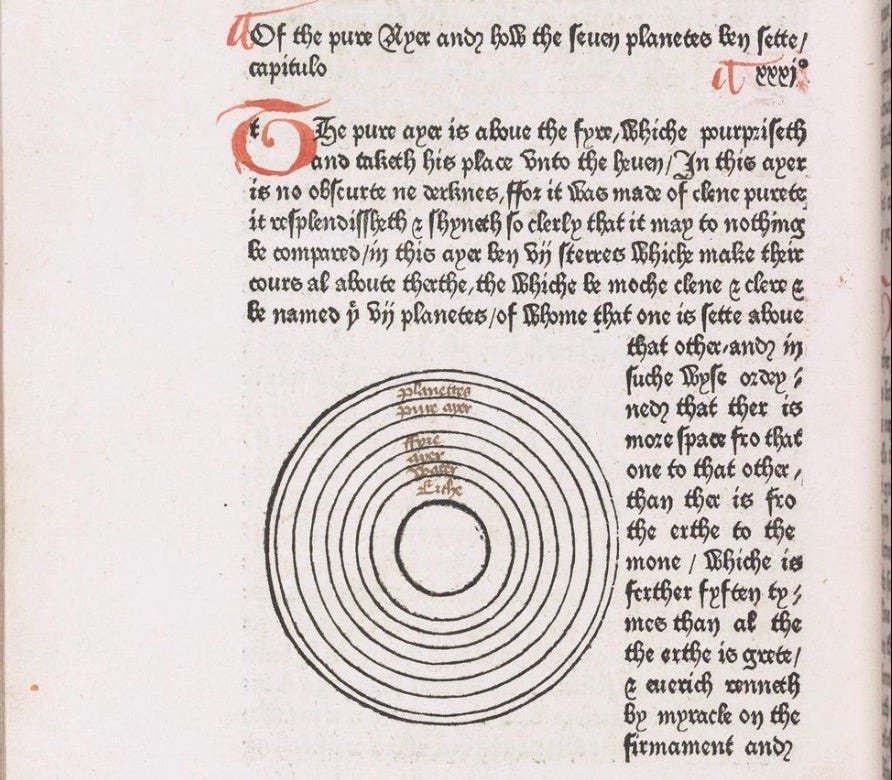
“I have never seen one fly, but / sometimes they perch on the hand.”
We hold books in our hands— the Martian sees this as a bird “perching”.
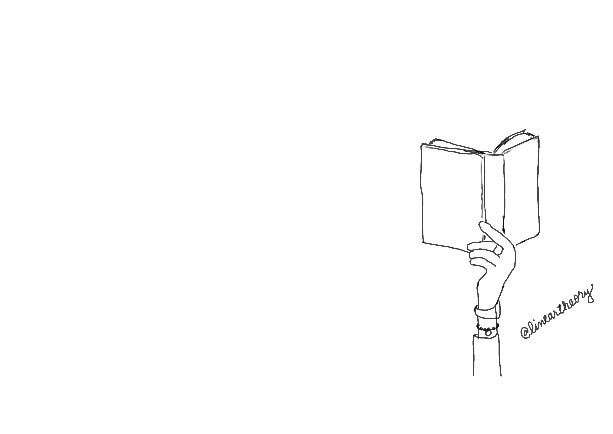
“But time is tied to the wrist / or kept in a box, ticking with impatience.”
Clocks and watches seem like humans keep “time” as a pet.
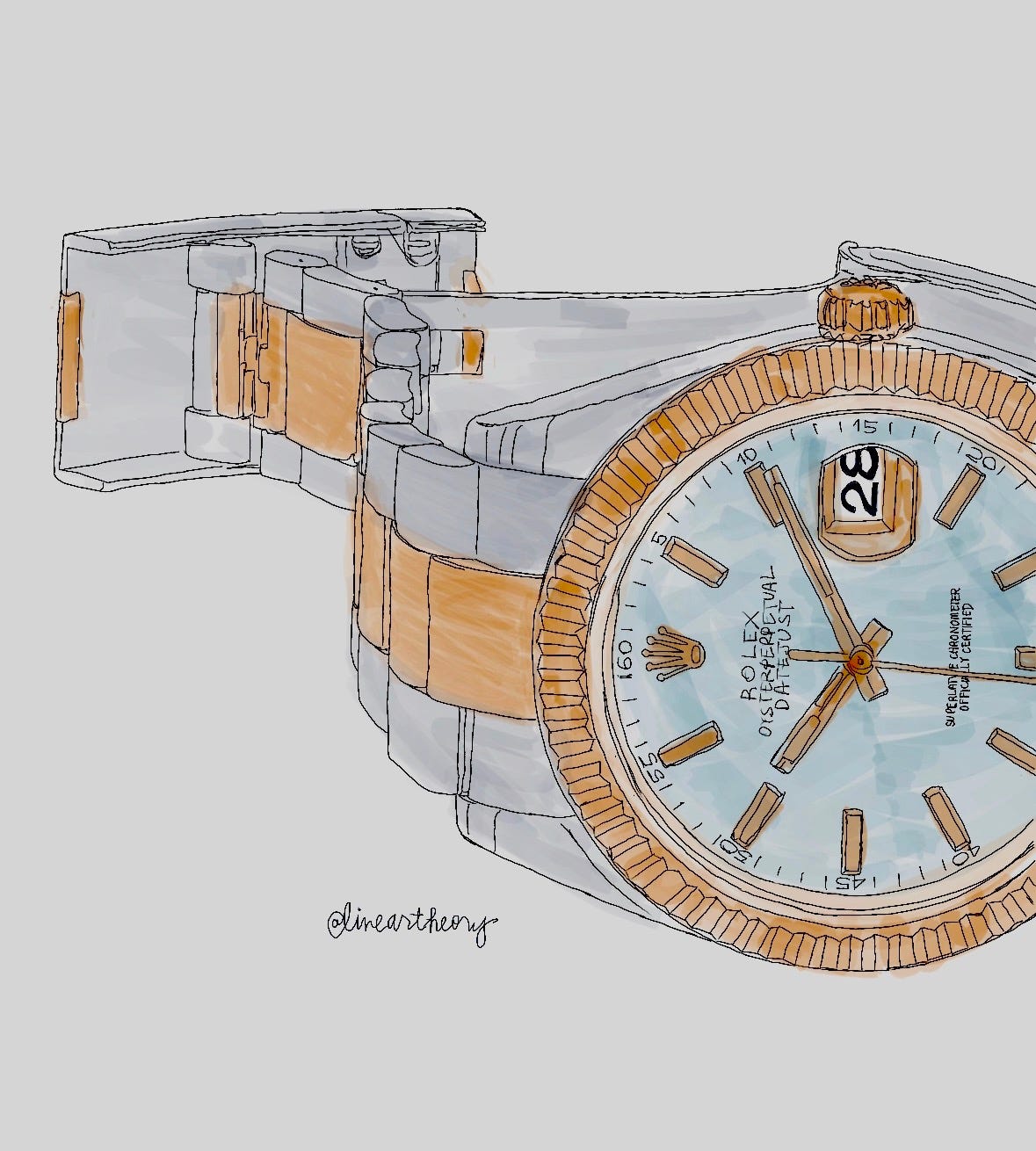
“At night, when all the colours die, / they hide in pairs / and read about themselves – / in colour, with their eyelids shut.”
Dreaming— vivid and colorful even when eyes are closed.
Illustration by Tim Coffey